
Aluminium Facade vs ACP Cladding
Choosing between an aluminium facade system and ACP (Aluminium Composite Panel) cladding is one of the most common decisions architects and developers face. Both offer excellent aesthetics and weather protection — but they differ significantly in cost, weight, fire safety, flexibility, and long-term performance.
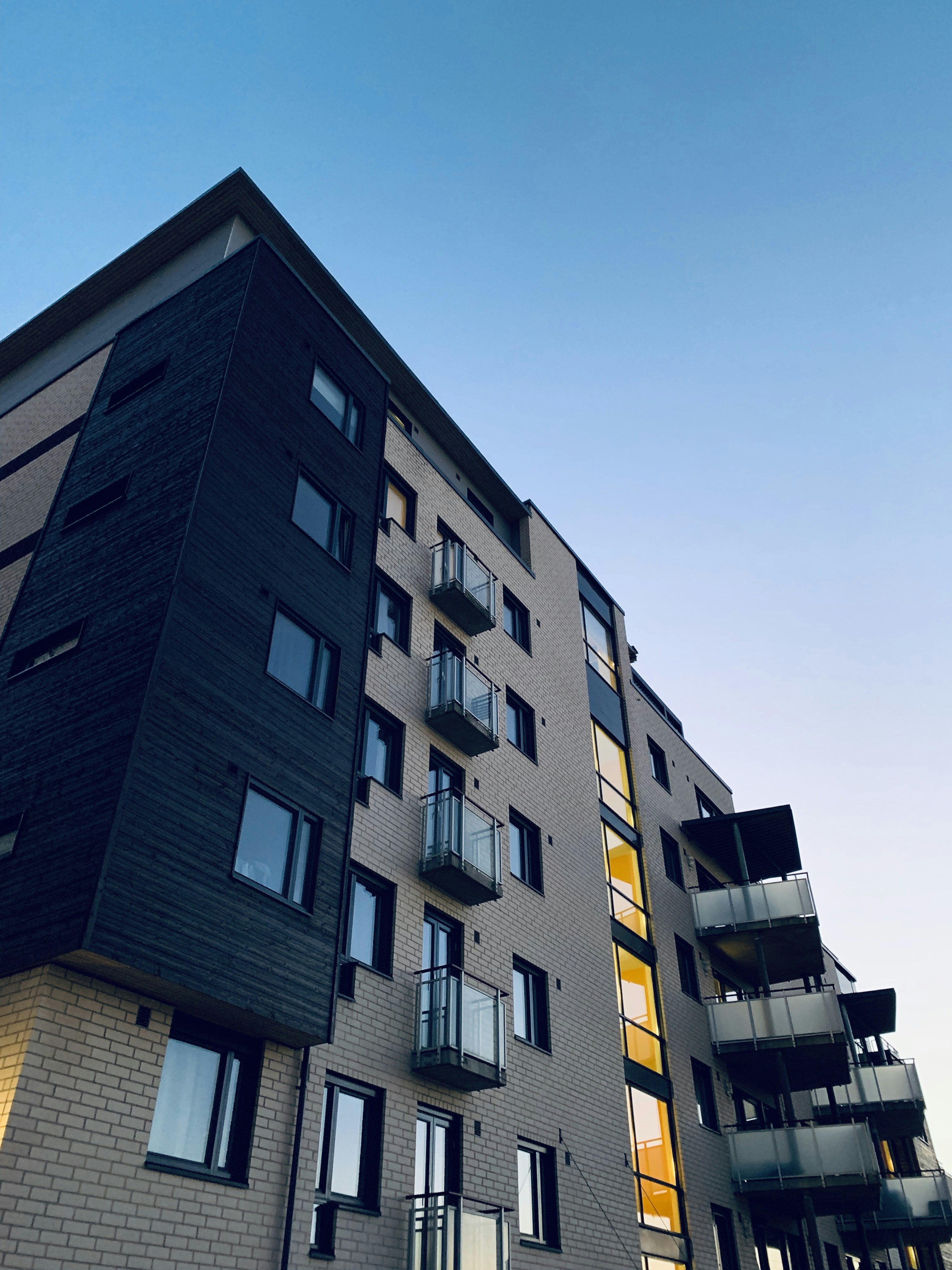
Head-to-Head: Aluminium Facade vs ACP Cladding
| Parameter | Aluminium Facade | ACP Cladding |
|---|---|---|
| Cost | Rs 350–1,200/sq ft | Rs 180–450/sq ft |
| Fire Safety | Non-combustible (Class A) | PE core combustible; FR-core required above G+2 |
| Weight | Higher (extrusions + glass) | Very lightweight (3–4 kg/sq m) |
| Durability | 25–40 years | 15–25 years (PVDF) |
| Design Flexibility | Moderate | Very high (CNC routing, 3D) |
| Glass Integration | Yes (windows, curtain walls) | Opaque panels only |
| Maintenance | Low | Low |
When to Choose ACP Cladding
ACP cladding is ideal when: (1) Budget is a primary constraint; (2) The project is low-rise (below 15m) or requires FR panels for mid-rise; (3) Complex 3D forms or curved cladding are required; (4) Fast installation is critical; (5) Large opaque facade areas need coverage without glass elements.
When to Choose Aluminium Facade
Aluminium facade systems are the right choice when: (1) Glass integration (curtain wall, windows) is required; (2) Building is high-rise (10+ storeys) requiring structural performance; (3) Long-term durability (30+ years) is prioritised; (4) The building is in a coastal zone requiring marine-grade performance; (5) Thermal performance and energy efficiency (LEED) are targets.
Fire Safety in India — The Critical Difference
Fire safety regulations in India are increasingly strict following incidents with combustible ACP cladding globally. NBC 2016 mandates FR-grade ACP (A2 or B1 mineral core) for all buildings above 15 metres. PE-core ACP, which is combustible, must not be used on buildings above 3 floors. Aluminium extrusions, by contrast, are inherently non-combustible (Class A) and have no height restriction. Fine Glaze always uses FR-grade ACP for external applications and provides material certification on request.
What We Offer
Frequently Asked Questions
Is ACP cladding banned in India?
PE-core ACP is not banned but is restricted to buildings below 15m height under NBC 2016 and state fire regulations. For buildings above 15m, only FR-grade ACP with A2 or B1 mineral core is permitted. Fine Glaze exclusively uses FR-grade ACP for external facades.
Can ACP cladding be combined with glass on a building?
Yes. The most common combination is ACP spandrel panels combined with glass windows or curtain wall glazing. This creates a cost-effective facade with mixed opacity. Fine Glaze regularly designs and installs combination systems.
Which lasts longer — aluminium facade or ACP?
Pure aluminium facade systems can last 30-40+ years with minimal maintenance. PVDF-coated ACP panels last 20-25 years before colour degradation. In coastal environments, aluminium extrusions typically outperform ACP in the very long term.
Transform Your Building Into a
Modern Architectural Landmark
Award-winning facade solutions engineered for performance, lasting aesthetics, and measurable long-term value.