Double Skin Facades: The Future of Energy-Efficient Buildings in India
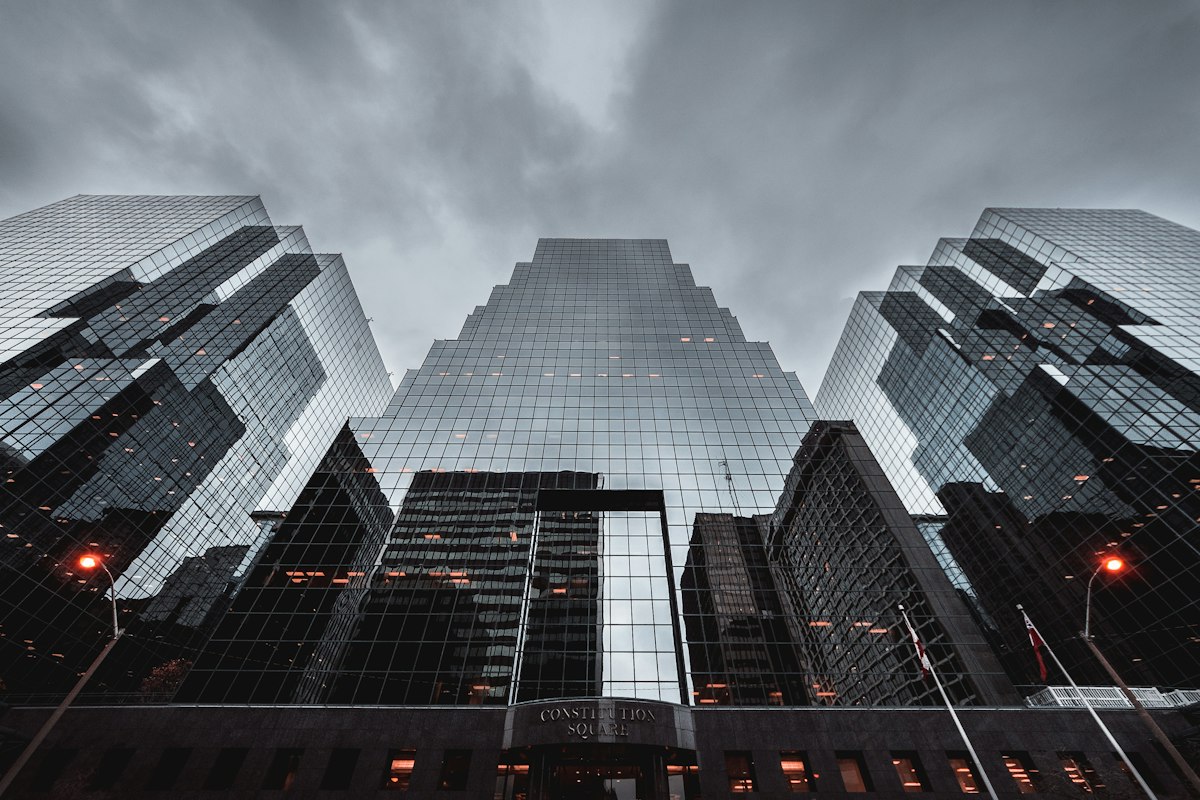
What is a Double Skin Facade (DSF)?
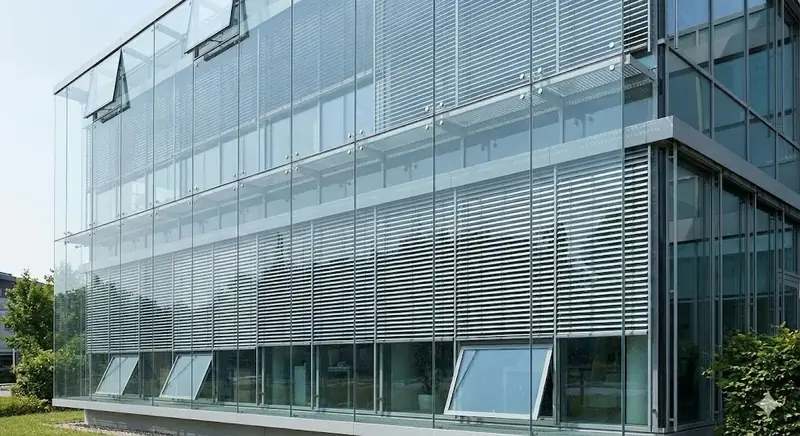
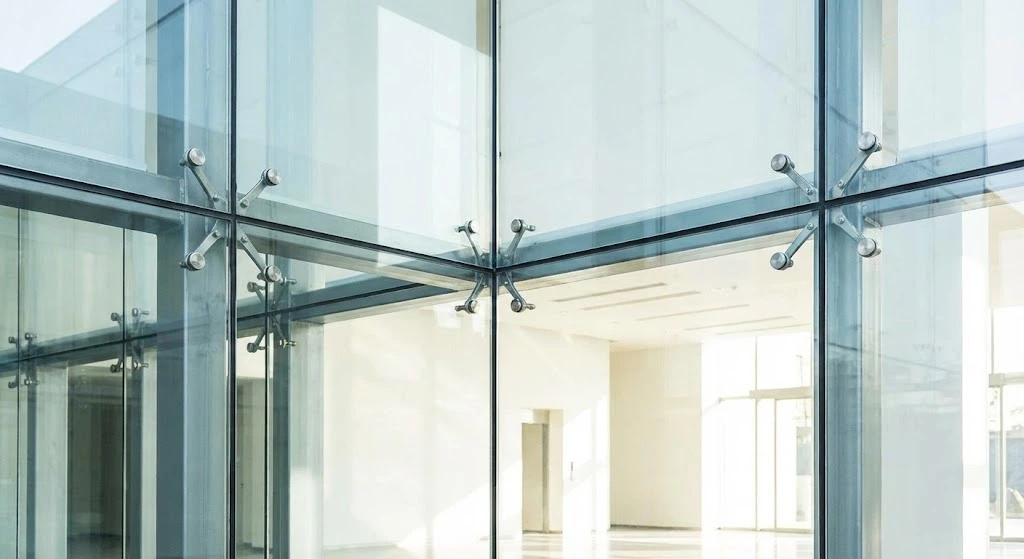
A Double Skin Facade is an architectural system consisting of two layers, usually glass, where air flows through the intermediate cavity. This space acts as an insulation layer against extreme temperatures, wind, and noise, making it an ideal solution for the diverse Indian climate.
How Double Skin Facades Work
The system works by creating a 'buffer zone' between the exterior environment and the interior living space. During hot Indian summers, the cavity air is ventilated (often naturally), carrying away solar heat before it reaches the building interior. In cooler months or regions, the cavity can act as a solar greenhouse, providing passive heating.
Key Benefits for Indian Commercial Buildings
- 1.Energy Efficiency: Reduces HVAC load by up to 30% through superior thermal management.
- 2.Acoustic Insulation: The double-layer system significantly reduces external noise, perfect for busy urban centers like Mumbai and Delhi.
- 3.Natural Ventilation: Allows for fresh air intake even in high-rise buildings where traditional windows cannot be opened.
- 4.Enhanced Aesthetics: Provides a sleek, modern glass look while maintaining high performance.
Comparison: Single vs. Double Skin Facades
Types of Double Skin Facade Systems
There are several configurations of DSF used in modern construction:
- 1.Box Window: Divided by horizontal and vertical partitions.
- 2.Shaft-Box: A system of box windows connected to vertical shafts for enhanced natural ventilation.
- 3.Corridor Facade: Wide horizontal cavities that allow for easy maintenance and air flow.
- 4.Multi-Storey Facade: A continuous cavity spanning multiple floors without partitions.
Design Considerations for the Indian Context
In India, the primary challenge is solar heat gain. Designers must incorporate shading devices (like motorized blinds) within the cavity to block direct sunlight. Proper ventilation of the cavity is crucial to prevent the 'greenhouse effect' from overheating the building during peak summer hours.
Cost Analysis in India
While the initial investment for a double skin facade is 1.5 to 2 times higher than a standard curtain wall, the long-term ROI is significant. Reduced electricity bills for air conditioning and increased occupant comfort often lead to a payback period of 7-10 years for premium commercial projects.
Maintenance Requirements
Maintaining a DSF requires access to the internal cavity. Modern designs include walkways or integrated BMU (Building Maintenance Unit) systems to allow for regular cleaning of all four glass surfaces and the servicing of integrated shading devices.
The Future of Sustainable Facades
As India moves towards Net Zero building goals, technologies like Double Skin Facades will become standard for Grade-A office spaces. They represent the perfect blend of architectural transparency and environmental responsibility.
Partner with Fine Glaze for Advanced Facade Solutions
At Fine Glaze, we bring world-class facade engineering to the Indian market. From design to installation, our team ensures your building is both beautiful and energy-efficient. Email: info@fineglaze.com Phone: +91 8369233566 Website: www.fineglaze.com
Explore More Facade Solutions
Browse our premium facade, glazing and aluminium cladding solutions Pan India.