Spider Glazing System Guide: Cost & Benefits India
Overview of Spider Glazing System Technology
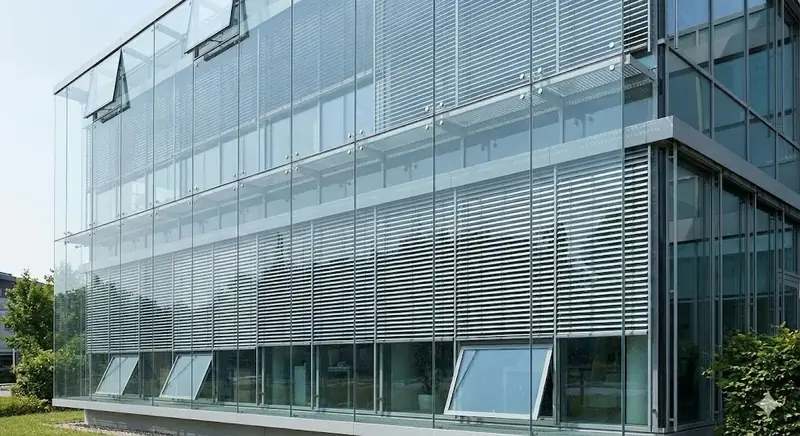
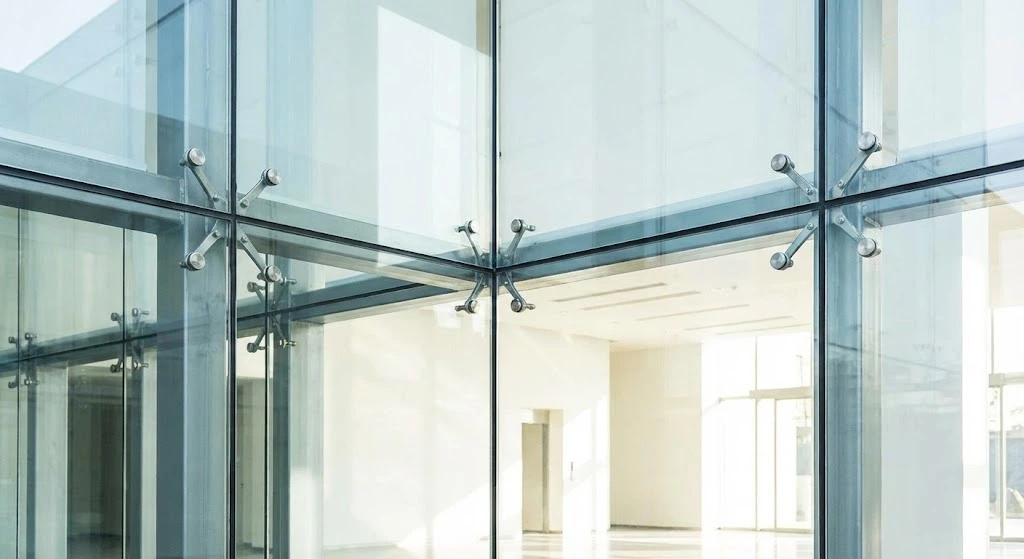
A spider glazing system uses stainless steel point fittings — 'spiders' — bolted directly through glass at four points per panel. Unlike framed structural glazing, the glass appears to float seamlessly with minimal visible framework. This creates dramatic entrance atriums and showroom facades. To explore integrated frameless solutions, visit our [structural glazing contractor](https://fineglaze.com/structural-glazing) page.
Spider Glazing System Fitting Types & Applications
Understanding the primary fitting configurations:
Glass Specification for Spider Glazing System
Because panel loads concentrate at bolt holes, precise glass engineering is essential:
- 1.Minimum thickness: 10mm or 12mm fully toughened glass.
- 2.Heat-soaking (IS 14900) is mandatory to eliminate spontaneous nickel sulphide breakage.
- 3.Laminated glass is required for overhead canopies — explore our [glass skylights & canopies](https://fineglaze.com/skylights-canopies).
Structural Support Options for Spider Glazing System
Support options for transferring wind and dead loads:
- 1.Glass Fin System: Vertical structural glass fins carry horizontal wind loads.
- 2.Steel Trusses: For spans exceeding 5 metres in airport terminals and commercial atriums.
- 3.Tension Rods & Cable Nets: High-tech minimalist support structures.
Spider Glazing System Cost Breakdown (2026)
Market rates across common configurations in India:
Expert Guidance & Site Consultation
Fine Glaze specializes in engineering and installing spider glazing systems for corporate headquarters, 5-star hotels, and airport terminals. Contact our team at info@fineglaze.com or call +91 8369233566 to discuss your project.
Explore More Facade Solutions
Browse our premium facade, glazing and aluminium cladding solutions Pan India.