The Ultimate Guide to Facade Engineering for High-Rise Buildings in India
Introduction to Facade Engineering
As Indian cities reach for the sky, the role of facade engineering has become more critical than ever. A facade is not just the 'face' of a building; it is a complex structural element that must withstand environmental pressures while providing comfort to the occupants inside. For high-rise structures, the engineering requirements become exponentially more demanding.
The Challenge of Wind Loads in India
In high-rise construction, wind is the primary force. As height increases, wind pressure grows significantly. Facade engineers must calculate peak wind pressures based on Indian Standards (IS 875 Part 3) to ensure that glass panels and aluminium frames do not deflect excessively or fail during storms or cyclones.
Thermal Performance and Energy Efficiency
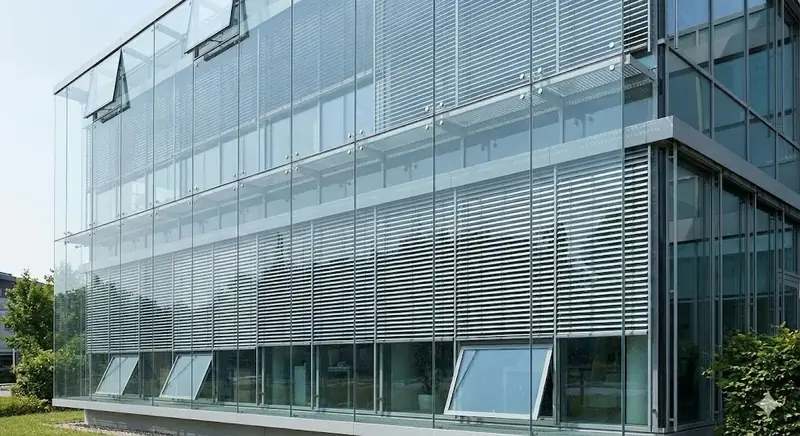
India's tropical climate means that high-rise buildings are subject to intense solar radiation. Facade engineering focuses on the 'Building Envelope' to minimize heat gain. This involves selecting the right Glass (Double Glazed Units), implementing thermal breaks in aluminium sections, and sometimes using sun-shading devices or high-performance coatings.
Structural Glazing vs. Unitized Curtain Walls
For high-rises, the choice of system is vital for both speed of construction and structural integrity. While stick systems are common for low-rises, unitized curtain walls are the gold standard for skyscrapers due to their factory-controlled quality and rapid on-site installation.
- 1.Unitized Systems: Pre-assembled panels, faster installation, better quality control.
- 2.Stick Systems: Assembled on-site, more economical for smaller heights, higher labor dependency.
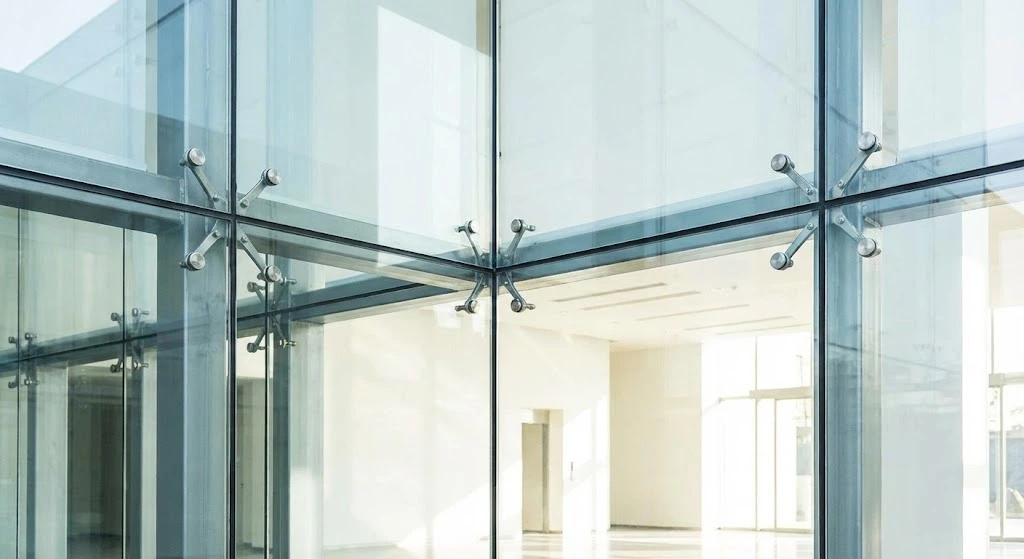
- 3.Structural Glazing: Provides a seamless glass look by bonding glass to frames with silicone.
Comparison: Facade Systems for High-Rises
Choosing the right system depends on the building height, budget, and design intent.
Seismic Resilience and Safety
Many parts of India fall into high-seismic zones. Facade engineering ensures that the glazing system can accommodate inter-story drift—the movement of the building's primary structure during an earthquake—without the glass breaking or falling out.
Acoustic Insulation in Urban Hubs
High-rise buildings in cities like Mumbai, Delhi, and Bangalore are often located near busy roads or airports. Engineering the facade for sound insulation (STC ratings) is essential for creating a peaceful indoor environment.
Fire Safety Standards (NBC 2016)
Fire safety is paramount in high-rise facades. This includes using fire-stop materials at floor slabs to prevent the 'chimney effect' where fire spreads between floors through the gap between the slab and the curtain wall.
Maintenance and Access Systems
A well-engineered facade must be maintainable. This involves integrating Building Maintenance Units (BMUs) or cradle systems into the structural design of the roof and facade to allow for regular cleaning and inspections.
The Future: Smart and Sustainable Facades
The next generation of Indian high-rises will feature 'smart' facades, including dynamic glazing that tints based on sunlight and integrated photovoltaics (BIPV) that generate electricity from the building's skin.
Conclusion
Facade engineering is the bridge between architectural vision and structural reality. For high-rise buildings in India, it is the single most important factor in determining the building's longevity, safety, and energy footprint.
Partner with Fine Glaze for High-Rise Excellence
Fine Glaze brings world-class facade engineering and installation expertise to high-rise projects across India. We specialize in unitized curtain walls, structural glazing, and high-performance building envelopes.\n\nContact our technical team for your next project:\n\nEmail: info@fineglaze.com\nPhone: +91 8369233566\nWebsite: www.fineglaze.com
Explore More Facade Solutions
Browse our premium facade, glazing and aluminium cladding solutions Pan India.