Facade Safety and Maintenance During Monsoon: A Guide for Indian Buildings
The Importance of Monsoon Readiness
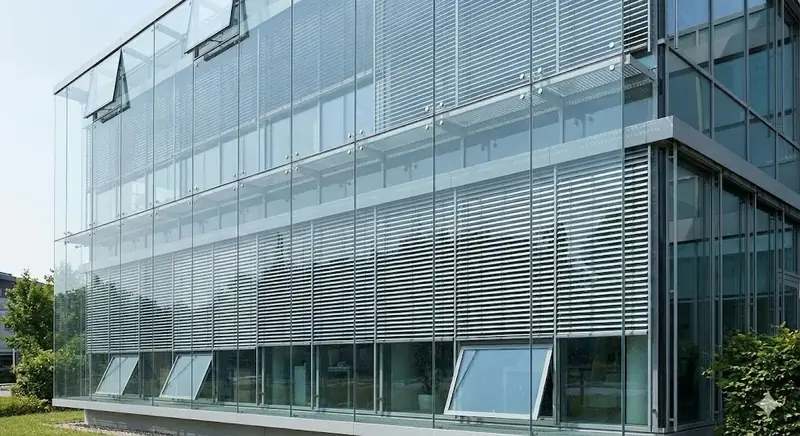
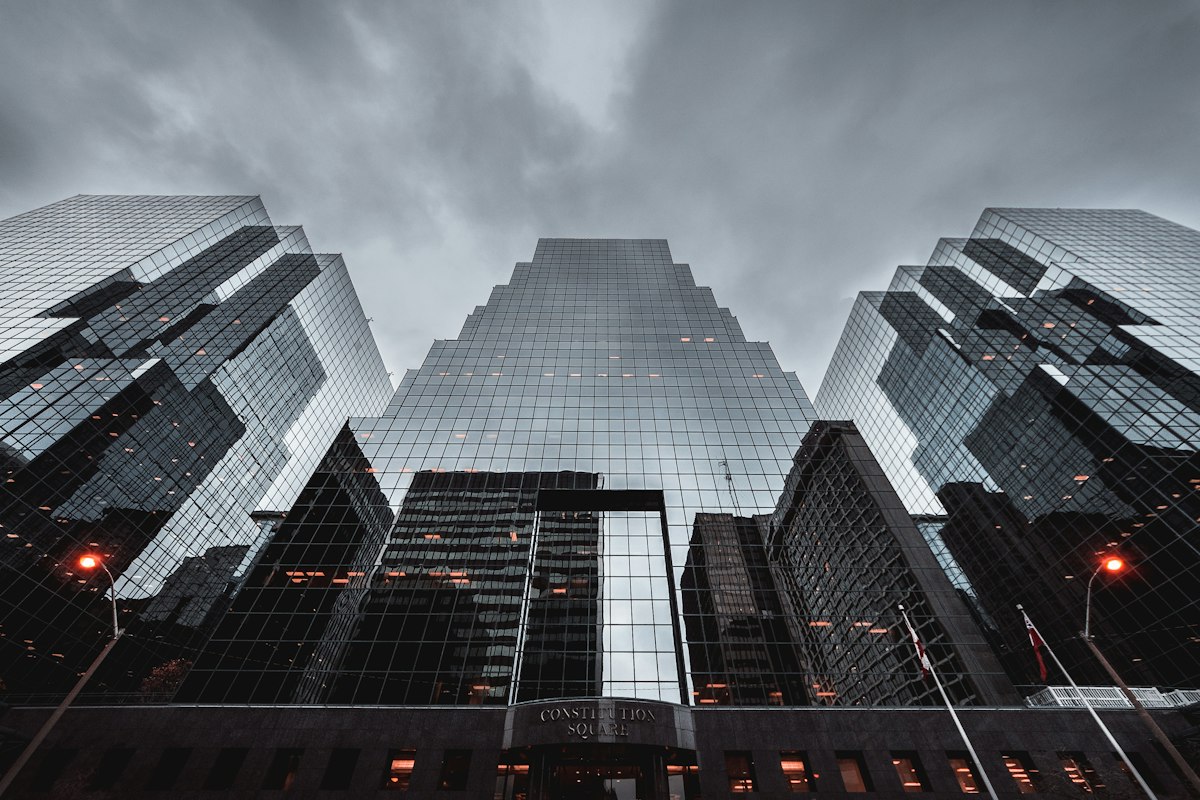
In India, the monsoon season is characterized by torrential rainfall and high-velocity winds. For high-rise buildings with glass facades or ACP cladding, this period poses significant risks if the building envelope is not properly maintained. Water ingress, sealant failure, and structural instability are common issues that can lead to expensive repairs and safety hazards.
Common Facade Issues During Monsoon
Heavy rains often expose vulnerabilities in a building's exterior. Understanding these common problems is the first step toward prevention:
- 1.Water Leakage: Often caused by degraded sealants or improper drainage channels.
- 2.Sealant Failure: UV exposure during summer can make sealants brittle, leading to cracks that leak during rain.
- 3.Corrosion: Moisture can accelerate the oxidation of metal brackets and fixings if they are not properly treated.
- 4.Glass Breakage: High wind pressure can stress glass panels, especially if they have pre-existing chips or cracks.
Pre-Monsoon Inspection Checklist
A proactive inspection before the first rains can save building owners from significant headaches. Our engineers recommend checking the following:
- 1.Visual inspection of all silicone sealant joints for gaps or peeling.
- 2.Cleaning of weep holes and drainage tracks in window systems.
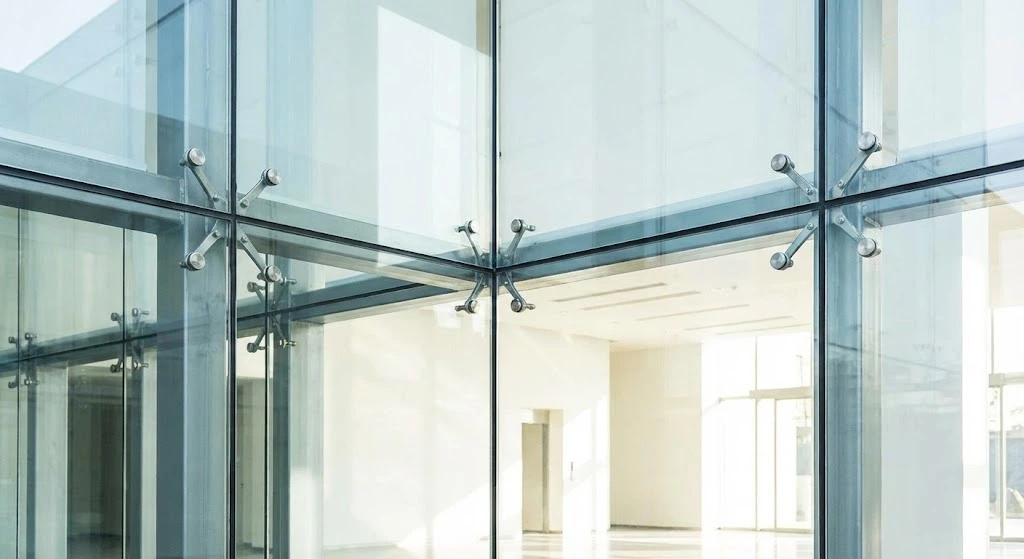
- 3.Checking the tightness of brackets and bolts in spider glazing or curtain walls.
- 4.Inspecting ACP panel joints for any signs of loosening.
Sealant Maintenance: The First Line of Defense
The sealant is the most critical component for waterproofing. In India, weather-grade silicone is typically used for facade joints. Over time, these sealants can lose elasticity. If you notice water seeping through the glass joints, it is likely time for a sealant re-application. Ensure that the old sealant is completely removed and the surface is cleaned before applying new material.
Wind Load Considerations for High-Rises
During the monsoon, wind speeds can increase dramatically. Facades must be designed to withstand these pressures. For older buildings, it is advisable to conduct a structural audit to ensure that the glazing system still meets the safety standards required for high wind zones in India.
Comparison: Facade Materials and Monsoon Performance
Different materials react differently to heavy rain and humidity. Here is a quick comparison:
Cleaning Your Facade After the Rains
The monsoon often leaves behind dirt, grime, and mineral deposits on glass surfaces. Post-monsoon cleaning is essential to maintain the aesthetic appeal and longevity of the glass. Use pH-neutral cleaners and avoid abrasive tools that could scratch the coating on high-performance glass.
Emergency Response for Facade Leaks
If a leak occurs during a heavy downpour, do not attempt to fix it from the outside. Use temporary internal measures like absorbent materials and contact a professional facade contractor immediately. Attempting external repairs during high winds and rain is extremely dangerous.
Why Choose Professional Maintenance?
Facade maintenance requires specialized equipment like Cradle systems (BMUs) and trained technicians who understand structural engineering. At Fine Glaze, we provide comprehensive facade health checks and AMC (Annual Maintenance Contract) services to keep your building safe year-round.
Conclusion and Fine Glaze CTA
Don't wait for the first leak to think about your building's facade safety. A well-maintained facade not only looks better but also protects the structural integrity of your investment. Contact Fine Glaze today for a professional inspection and monsoon-proofing services. Email: info@fineglaze.com Phone: +91 8369233566 Website: www.fineglaze.com
Explore More Facade Solutions
Browse our premium facade, glazing and aluminium cladding solutions Pan India.