Frameless Glass Facades vs. Framed Systems: Which is Right for Your Building?
The Evolution of Glass Facades in India
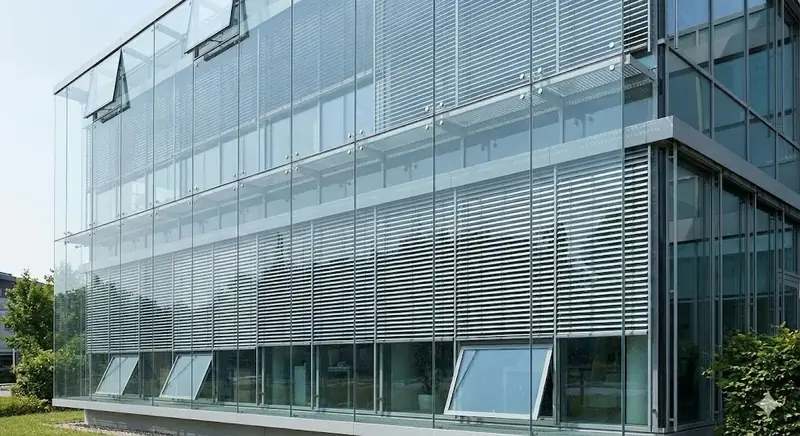
Modern Indian architecture is increasingly leaning towards transparency and minimalism. As developers and architects strive to create iconic landmarks, the choice of glazing system becomes paramount. The two primary contenders are Frameless Glass Facades (often utilizing spider glazing) and Framed Systems (such as stick or unitized curtain walls). Each offers distinct advantages depending on the building's purpose and budget.
What is a Frameless Glass Facade?
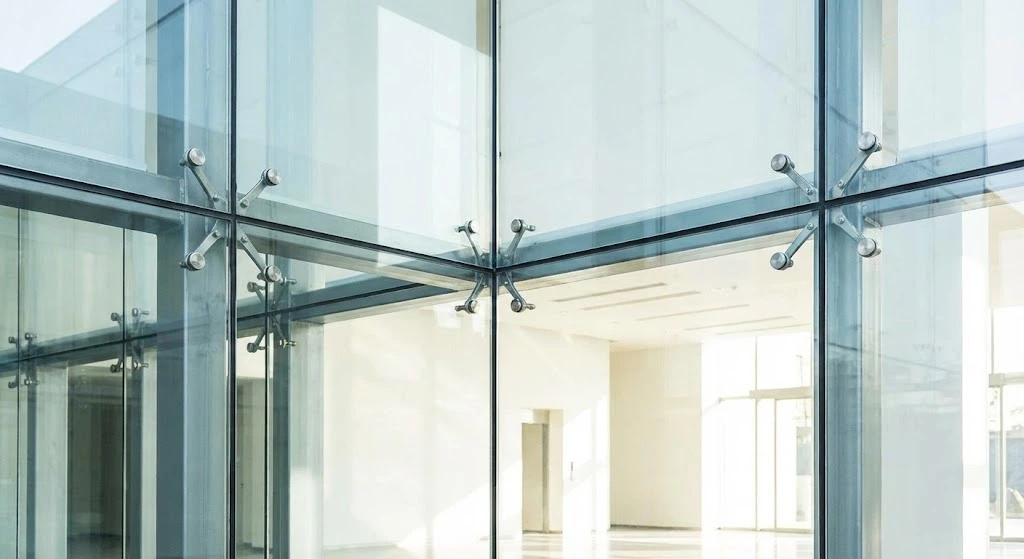
Frameless glass facades, commonly known as spider glazing, use point-supported glass panels held in place by stainless steel fixings (spiders). This system eliminates the need for bulky aluminium profiles, providing an uninterrupted view and a sleek, high-tech appearance. It is ideal for showrooms, building entrances, and luxury commercial spaces.
Understanding Framed Glazing Systems
Framed systems, including traditional curtain walls, use aluminium sections to support the glass panels. These frames provide structural integrity and are designed to handle significant wind loads and thermal expansion. They are the standard choice for high-rise office buildings and large-scale commercial complexes due to their proven reliability and cost-effectiveness.
Key Comparison: Frameless vs. Framed
Advantages of Frameless Systems
- 1.Unmatched Transparency: Provides a seamless transition between indoors and outdoors.
- 2.Design Flexibility: Can be used to create complex geometric shapes and curves.
- 3.Natural Light: Maximizes the entry of daylight, reducing artificial lighting costs.
- 4.Corrosion Resistance: High-quality stainless steel fittings are durable in various climates.
When to Choose Framed Systems
While frameless systems are visually stunning, framed systems are often more practical for large-scale projects. They offer better thermal insulation (U-values) because the frames can incorporate thermal breaks. Additionally, framed systems are generally more economical for covering vast surface areas on high-rise towers where wind pressure is a major concern.
Cost Considerations in the Indian Market
In India, the cost of a frameless glass facade typically ranges from ₹1,200 to ₹2,500 per sq. ft., depending on the glass thickness and the quality of the spider fittings. Framed curtain walls can range from ₹800 to ₹1,800 per sq. ft. Factors like glass type (DLG, Low-E), height of the building, and location significantly impact the final quote.
Maintenance and Longevity
Both systems require regular maintenance to ensure longevity. Frameless systems need periodic checks on the tension of the point-fixings and the integrity of the silicone sealants. Framed systems require inspection of the aluminium joints and drainage paths to prevent water ingress.
Conclusion: Making the Right Choice
The decision ultimately depends on your project's specific needs. If you want a 'wow' factor for a retail storefront or a grand lobby, frameless is the way to go. For a functional, energy-efficient office tower, a framed curtain wall system is usually the better investment.
Expert Facade Solutions by Fine Glaze
At Fine Glaze, we specialize in both frameless spider glazing and advanced framed curtain wall systems. Our team of engineers ensures that every installation meets international safety standards while delivering the aesthetic vision of the architect. Contact us today for a consultation on your next project: Email: info@fineglaze.com Phone: +91 8369233566
Explore More Facade Solutions
Browse our premium facade, glazing and aluminium cladding solutions Pan India.